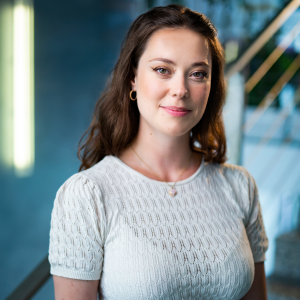


During this IVF Life Stories session, Sarah Banks, Fertility Coach & Mentor and creator of the IVF Positivity Planner and Menopause Positivity Planner, shared her personal IVF journey. After 6 years of trying, 2 IVF cycles, and countless emotional ups and downs, she finally became a mother to her son—and later, miraculously conceived her daughter naturally.
Now, Sarah works closely with fertility professionals to enhance patient support, drawing from both her professional expertise and personal experience to help others navigate the emotional and mental challenges of infertility. The session was hosted by Tracey Sainsbury, Fertility Counsellor and Co-author of Making Friends with Your Fertility.
The event was hosted by Tracey Sainsbury, Fertility Counsellor and Co-author of Making Friends with Your Fertility.
I had no awareness at all. It was only when we started trying and then struggled to conceive that fertility became something I was aware of. I assumed it would happen straight away because everyone around me seemed to get pregnant easily, and I did not know anyone who had struggled.
When we decided to start trying, I came off the pill. The first month, I was late, and I assumed I was pregnant immediately. I believed it would happen quickly. Unfortunately, our journey was not like that. We experienced a 6-year infertility struggle, which made me realise how difficult it can be to get pregnant.
At school, you are taught that getting pregnant is very easy and that you must work hard to avoid it. The reality is often the opposite. That was a huge shock to me and one of the reasons I believe fertility education in schools is so important.
When we eventually went through IVF, I had no understanding of the process at all.
Not that I can remember. As time went on, I assumed we must not be timing things properly. I did not really understand my cycles. They seemed regular, but I had been on the pill for a long time, and I did not realise how variable cycles can be.
I started tracking my cycles to try to work out the best time, but I did not understand that not all cycles are 28 days. I could easily have been mistiming things. I do not remember learning anything about how to get pregnant if you are struggling or how cycles really work.
We had been trying for a long time. When I look back, I think we were trying for about 3 years before we even went to the doctor. That shows how little understanding I had about when you should seek help.
I was 26 when we started trying, so I did not feel old. We were one of the first in our friendship group to start trying. I did not think we had left it too late.
When we eventually went to the GP, they did tests and referred us to a fertility clinic because we had been trying for so long. Even then, I still assumed it would happen naturally at some point.
Life is busy, and when you first start trying, there is excitement. You stop contraception and imagine welcoming a baby. Over time, sex became more regimented. We both had busy jobs and were often stressed and tired. It reached a point where I would identify the “best days,” and if my husband was too tired, I felt upset because he did not understand that missing those days meant waiting another month.
We tried to cope as a couple and talked about it. We shared with a few people, but they did not really understand because we did not know anyone else who had been through fertility treatment. We viewed it as a joint problem, but we did not fully talk about what we were about to go through.
It was about a year before we actually started treatment. We qualified for NHS funding, which included 1 full cycle plus any frozen embryos. I remember calling the clinic after a year and being told we were in the next group to be contacted.
Going into it, I had no idea what the process would involve. By that point, we had already been trying for 4 years, so I felt excited. I thought IVF was our plan B and that it would work. I was very naive.
I believed IVF would increase our chances, and that mindset helped me. I kept thinking that I could be going for treatment for something far worse. I was going to the clinic to hopefully have a baby. That perspective helped on days when it felt unfair to need medical help to get pregnant.
He came to all my appointments, even when only I needed to be seen. I felt supported, and I do not remember the clinic focusing only on me.
He felt he had to be strong for me because I am quite emotional. I cried at many appointments, and he felt he could not show his worries because it might add pressure for me. I was going through the physical side of treatment, so he tried to protect me emotionally.
There was very little emotional support available at the time, which is one of the reasons I later wanted to help create change.
It was still extremely difficult. When things did not go to plan, and I developed OHSS, I became very unwell. I was not prepared for how physically and emotionally draining IVF would be.
The physical trauma of OHSS carried fear with it. I struggled more emotionally than physically because it delayed the possibility of becoming pregnant again.
I was not allowed to have a fresh transfer. That was devastating because I had already planned everything in my head. I became very unwell, collapsed twice, and my husband nearly had me admitted to the hospital. Despite all of that, the emotional impact of the delay was the hardest part.
We were very private. I told my manager, who was not supportive, although she allowed time off. I told my mum and dad, my sisters, and a couple of close friends. That was it.
My husband told a few close friends who were very supportive. When we finally had a positive test, they were among the first people we told.
I felt excited. It felt like the moment everything would finally happen. Our test date fell on our 5th wedding anniversary, and I believed it was fate.
We had 45 follicles and 30 eggs. 5 fertilised, but only 2 made it to the blastocyst stage. I had not been prepared for such a big drop-off. I was pleased to have blastocysts, but devastated that there were only 2.
When the test was negative, I was completely devastated. That was the first time I truly thought it might never work. I struggled for days. People did not understand why I was so upset because there was no visible loss, but it was the loss of potential.
I realised I could not go into another cycle believing it would not work. I saw a life coach who helped me regain a sense of control and gave me tools to manage spiralling thoughts.
We also talked about alternative futures. Knowing that adoption was an option if IVF did not work brought me comfort. I needed to go into the next cycle with hope, even if it was only just enough to keep going.
Yes, definitely. The time I needed coping tools the most was when I was bleeding during pregnancy and was terrified I was losing the baby. I had to stop myself from spiralling.
I used simple techniques to interrupt those thoughts. I would tell myself that worrying would not make the situation better and could only make it worse. I had to consciously stop and move my focus elsewhere. At the time, it felt essential just to get through each moment.
During infertility, I felt stuck and as though my life was on hold. I sometimes believed there was something wrong with me. I also knew that I no longer wanted to stay in a job where I felt I was only making money for shareholders. Coaching had been so helpful for me that I wanted to help others get out of that same feeling of being trapped.
I am very action-focused. I like lists and practical steps, and I wanted to help people take positive action to feel better while going through the trauma of infertility and IVF.
Yes. My intention was always to support people going through treatment. I set up local support groups because there was nothing available when we were going through IVF.
Over time, my path changed slightly. I realised I could help more people by working with clinics and helping staff understand how patients feel. When I was coaching individuals, it often expanded into other areas of their lives because the goal was to help them build a life they could feel happy with while trying to get pregnant.
Sadly, treatment does not work for everyone, and you cannot guarantee an outcome. Supporting people to live well during that uncertainty was very important to me.
We had always said we wanted two children. We were very naïve and imagined a boy first, two years apart, then a girl. We did not expect the journey we had.
After our son was born, we knew we would likely need treatment again, but it was not immediately on our radar. He was the centre of our world. I breastfed for a year, and my periods did not return straight away.
While travelling to a coaching course, I realised I was 5 days late. I assumed it was nothing, but I took a test anyway. When I checked it again later, it was positive. I had never seen a positive pregnancy test before, as our IVF result had been a blood test.
We were overjoyed but also overwhelmed. We had assumed we would need treatment again, so it was hard to process that this had happened naturally. It brought up fears about loving another child as much, which in hindsight seems obvious, but at the time felt very real.
We ended up with the family we had once imagined: a boy and a girl, 2 years apart. I feel incredibly lucky, and I truly believe both of my children are miracles. Without IVF, I do not believe I would have had either of them.
I was completing my coaching qualifications while pregnant. I had planned to drop one qualification, but once I found out I was pregnant, I decided I had to finish both. I qualified two weeks before my daughter was born.
After she was born, I breastfed again, and she would not take a bottle. For nine months, I could not do very much professionally. When she was around nine or ten months old, I started my support groups and began coaching.
Over time, I realised I could have a greater impact by working with clinics. People were telling me they left appointments feeling unsupported and unheard. I saw that by helping clinics understand patient experience and empathy, I could support many more people indirectly.
It was the resource I wanted when I was going through treatment. I had been thinking about it for a long time and eventually realised that if I did not write it then, I never would.
At that time, I was running many support groups and working closely with people in treatment. I knew what support people needed and what I had needed myself. The planner is essentially a coaching programme in book form, offering journalling and practical exercises so people have support at any time.
The biggest aim was to help people regain a sense of control. Someone once said their best friend during IVF was my book, and that meant everything to me.
It evolved naturally from the planner format. People told me they wished they had something similar during menopause. I realised the structure could support many different life challenges.
I researched extensively, spoke to people, and explored how menopause affects confidence, anxiety, and identity. That research informed the Menopause Positivity Planner.
This work has expanded into supporting organisations to better support employees through fertility and menopause. Women’s health challenges require empathy and understanding, whether in clinics or workplaces.
Fertility remains my greatest passion because it was the most difficult period of my life. Even now, certain things still trigger me, despite having 2 healthy children. That reminds me how much support is still needed.
They need to understand how emotionally and physically draining fertility treatment is. People often say they feel like a number. Each patient is different and needs different levels of support.
Even routine procedures carry emotional weight. What may be a clinician’s twentieth scan of the day may feel overwhelming for the person experiencing it. Empathy is essential.
When I train clinic staff, they often say they need the reminder that these are real people experiencing real emotions, not just clinical cases.
First, seek support. Going through this alone can feel incredibly isolating, and it helps to know that your feelings are normal.
Second, take control of what you can. Even small actions, such as self-care, learning about treatment, or resting properly, can help restore a sense of agency. It is about balance: taking control without becoming overwhelmed.
Self-compassion is key.


+ 4 more answers


+ 2 more answers
Necessary cookies are absolutely essential for the website to function properly. This category only includes cookies that ensures basic functionalities and security features of the website. These cookies do not store any personal information.
Analytical cookies are used to understand how visitors interact with the website. These cookies help provide information on metrics the number of visitors, bounce rate, traffic source, etc.
| Cookie | Duration | Description |
|---|---|---|
| _ga | 2 years | This cookie is installed by Google Analytics. The cookie is used to calculate visitor, session, campaign data and keep track of site usage for the site's analytics report. The cookies store information anonymously and assign a randomly generated number to identify unique visitors. |
| _gat_UA-38575237-21 | 1 minute | No description |
| _gid | 1 day | This cookie is installed by Google Analytics. The cookie is used to store information of how visitors use a website and helps in creating an analytics report of how the website is doing. The data collected including the number visitors, the source where they have come from, and the pages visted in an anonymous form. |
Any cookies that may not be particularly necessary for the website to function and is used specifically to collect user personal data via analytics, ads, other embedded contents are termed as non-necessary cookies. It is mandatory to procure user consent prior to running these cookies on your website.
Other uncategorized cookies are those that are being analyzed and have not been classified into a category as yet.
| Cookie | Duration | Description |
|---|---|---|
| _gat_FSQM52 | 1 minute | No description |
| cf_ob_info | No description | |
| cf_use_ob | No description |